The Art of Dressing
Inside Miriam Parkes's Beverly Hills Wardrobe
Beverly Hills · 6 October 2026
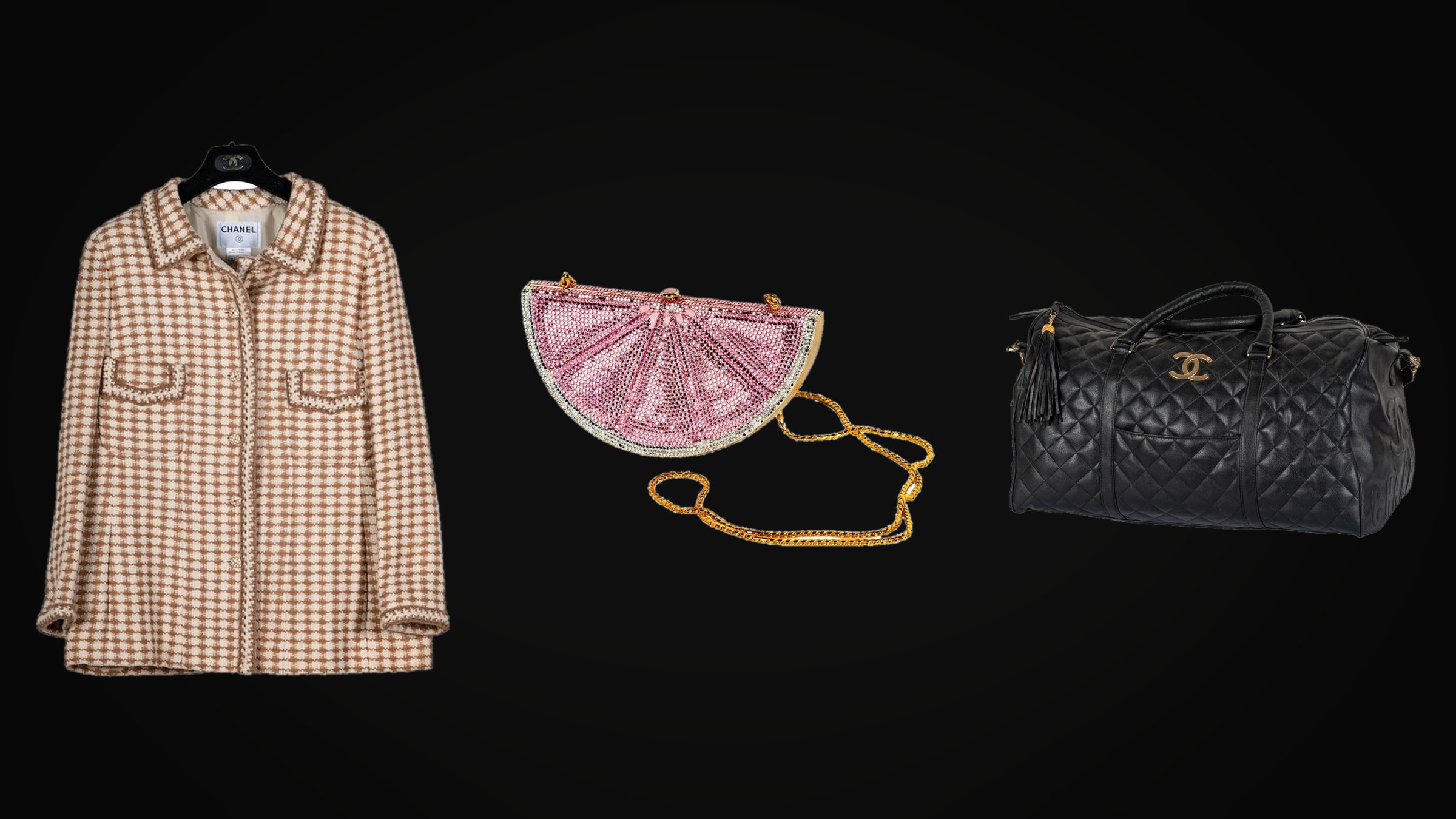
There are wardrobes filled with clothes. And then there are wardrobes that tell the story of the person who built them.
Behind the gates of Miriam Parkes's Beverly Hills home was a private world where fashion, jewelry, art and design lived together. Chanel tweed hung alongside Christian Lacroix embroidery. Bulgari handbags echoed the glamour of her jewelry. Rows of Chanel slingbacks shared space with Dior, Givenchy, Valentino, Céline, Armani, Gucci and Hermès.
And then there were the Judith Leibers.
Dozens of them.
Sparkling spheres, shells, an elephant, animal prints, jeweled evening bags and whimsical minaudières transform part of the Parkes wardrobe into something approaching a private exhibition of one of America's most celebrated handbag designers. The auction alone contains an extraordinary concentration of Judith Leiber pieces, alongside Chanel handbags, couture, shoes and accessories.
For Miriam Parkes, fashion was not simply something to wear.
It was something to collect.
Judith Leiber: Fashion as Jewelry
Few designers blurred the boundary between handbag, jewelry and sculpture quite like Judith Leiber.
Born in Budapest, Leiber brought Old World craftsmanship to New York and transformed the evening bag into an object of fantasy. Her crystal-covered minaudières became instantly recognizable: technically demanding, playful and unapologetically glamorous.
Miriam clearly responded to that world.
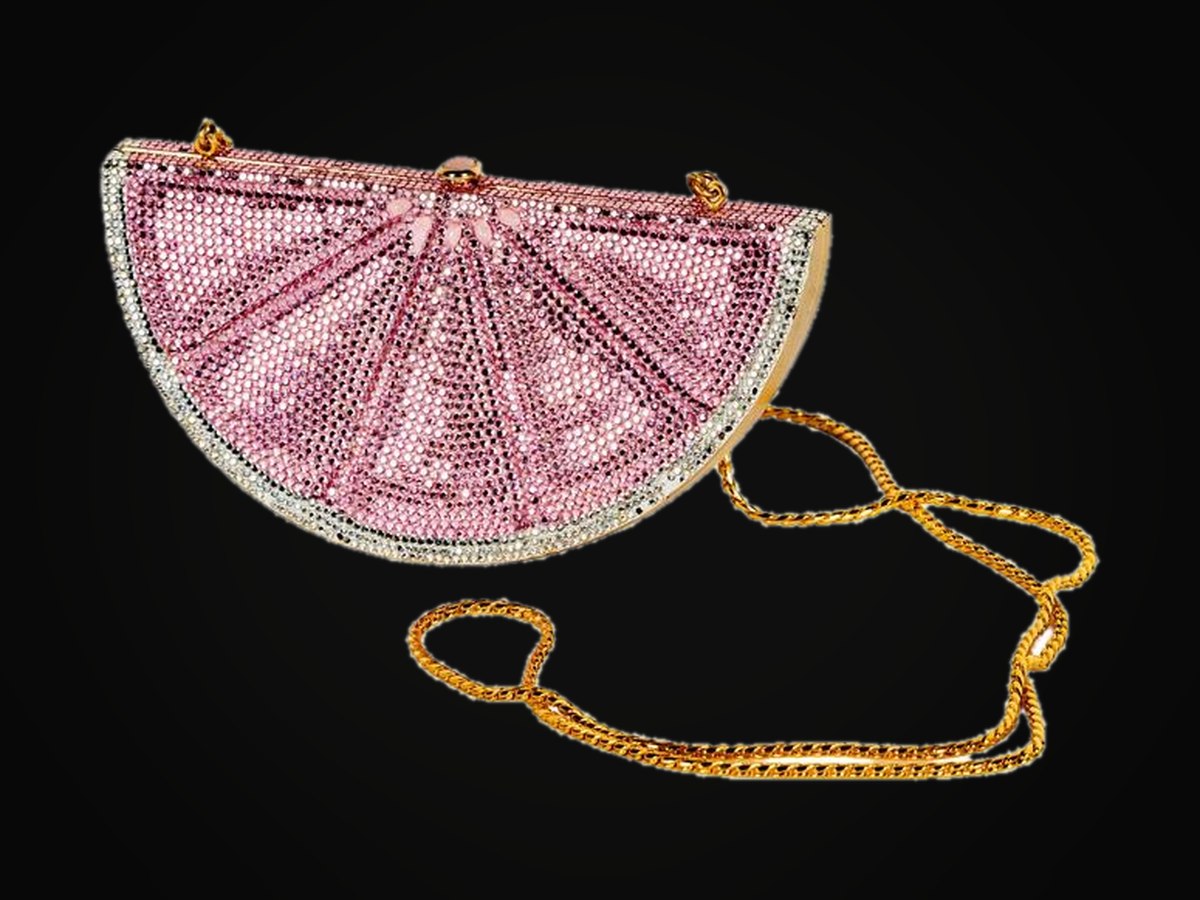
Her collection includes Leiber's rhinestone sphere, shell-form and elephant-head minaudières, a tiger-print example, glittering Chatelaine designs and a wonderfully playful pink lemon-slice clutch, among many others.
Seen together, they almost cease to feel like handbags.
They become jewels with handles.
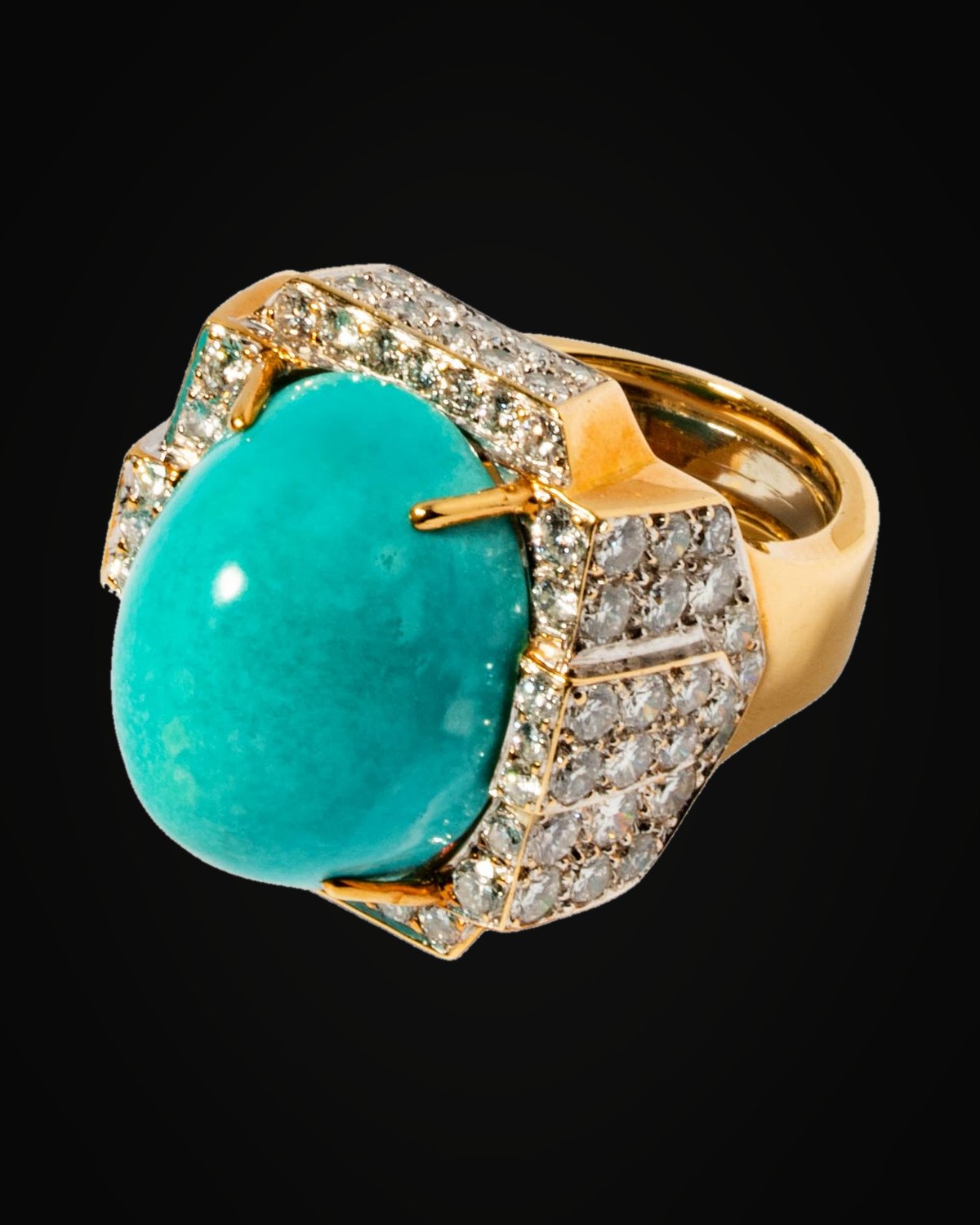
And that makes them particularly appropriate within Miriam's collection. The same woman who chose the bold gold, turquoise, diamonds and black enamel of David Webb also chose handbags that were never intended to disappear quietly into an outfit.
They were meant to be noticed.
Chanel: The Language of an Icon
If Judith Leiber supplied the fantasy, Chanel provided the foundation.
Miriam's wardrobe moves through some of the house's most recognizable signatures: quilted leather, chain straps, tweed tailoring and the unmistakable cap-toe shoe.
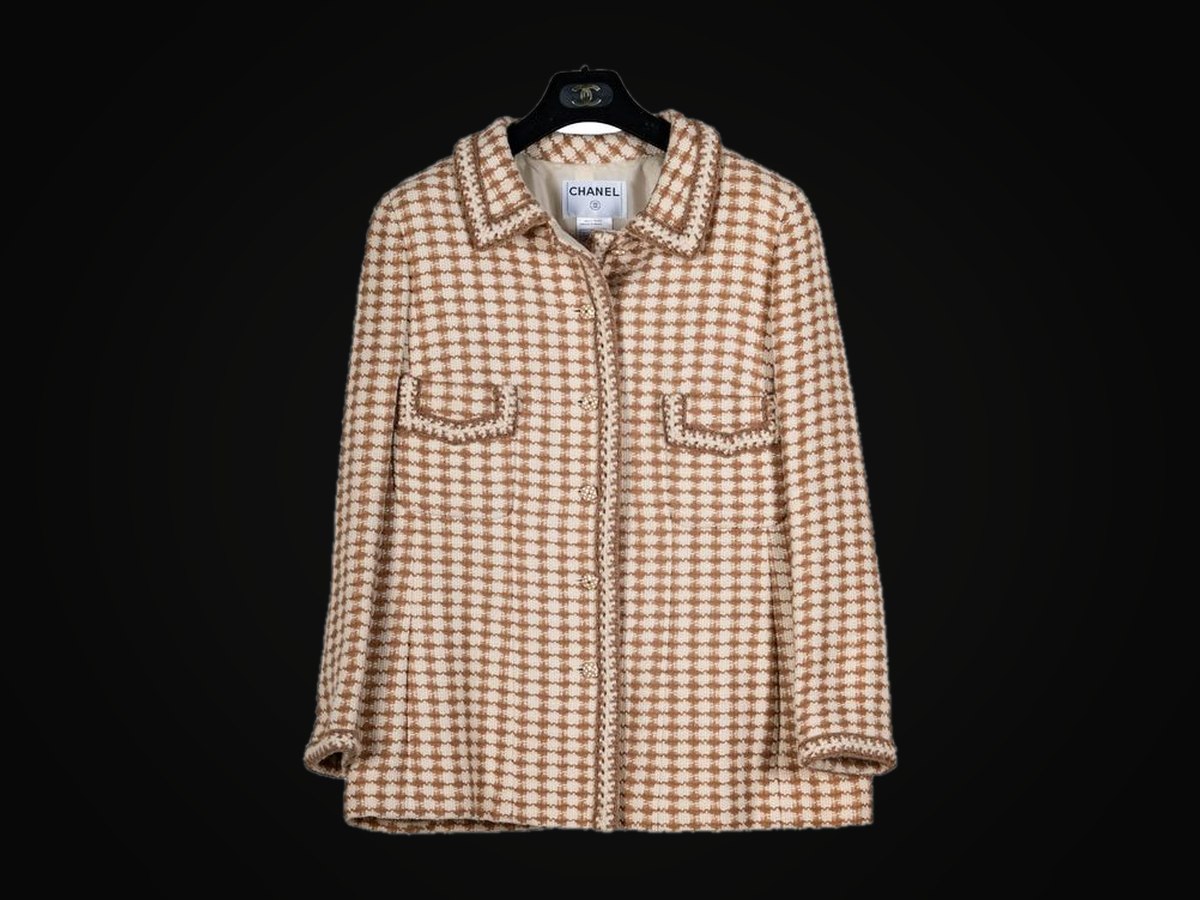
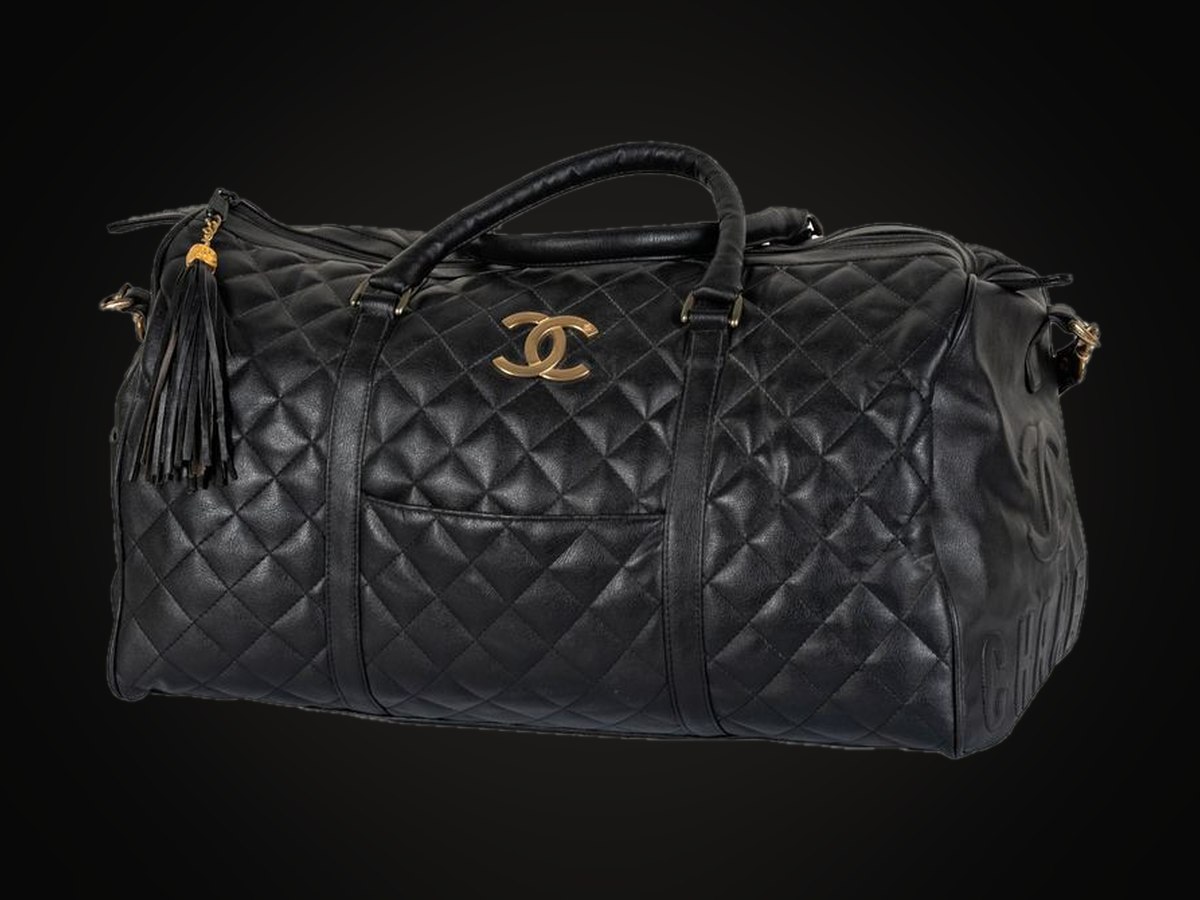
The collection includes a white quilted flap bag, a black satin quilted evening bag, leather shoulder bags, a vintage quilted example and a substantial quilted Chanel duffle. Then comes a houndstooth tweed Chanel blazer—one of the clearest expressions of the visual language that has defined the house for generations.
And then there are the shoes.
Pair after pair of Chanel cap-toe slingbacks—some preserved with their boxes, others visibly worn—appear throughout the collection.
That last detail may tell us more about Miriam than almost anything else.
These were not trophies sitting untouched in a closet. She wore them.
This was a collection that was lived in.
From Paris to Rome to Milan
Miriam's eye extended far beyond a single fashion house.
There are Bulgari handbags, including examples from the celebrated Serpenti Forever line, where the Roman jeweler's famous serpent moves from jewelry to fashion. There are six Bottega Veneta leather clutches, along with Fendi, Valentino, Ferragamo, Loewe and Céline.
Gucci appears again and again—not only in handbags and clutches, but in luggage: a monogram train case, a vintage Supreme duffle, suitcases and a garment bag.
These are the details that make the wardrobe feel personal.
Miriam did not merely dress in these houses.
She traveled with them. She lived with them. She collected them.
Couture with Personality
Then the wardrobe becomes even more expressive.
Vintage Dior. Givenchy. Valentino. Fendi. Céline. Ralph Lauren. Armani.
And Christian Lacroix.
Two vintage Lacroix coats appear in the collection, including a richly embroidered wool example—a particularly fitting choice for a woman whose taste consistently favored color, texture and personality. Nearby are a vintage Dior coat and dress, a Givenchy wool suit, Céline coats and an extensive collection of Armani.
This was not a wardrobe built around restraint.
It was built around presence.
A Portrait Through Possessions
Perhaps the most interesting thing about Miriam Parkes's wardrobe is what happens when it is viewed alongside everything else she collected.
The David Webb jewelry is bold.
The Judith Leiber handbags are bold.
The Chanel is unmistakable.
The Lacroix is expressive.
Even Bulgari's serpent appears as both ornament and fashion.
There is a consistency to it all.
Miriam seems to have understood something that great collectors often understand instinctively:
The best things have personality.
A handbag can become sculpture. A jacket can become an icon. A jewel can define an outfit. And when an entire wardrobe remains together, it can become something more intimate—a portrait of the woman who chose it.
For decades, these pieces belonged to the private world of Miriam Parkes's Beverly Hills home.
On October 6, that wardrobe opens.
Chanel. Judith Leiber. Bulgari. Dior. Givenchy. Christian Lacroix. Valentino. Céline. Gucci. Bottega Veneta.
Not simply a collection of fashion.
The art of dressing, according to Miriam Parkes.
Icons of Design: The Estate of Miriam Parkes, Beverly Hills — October 6, 2026 · Los Angeles · Only at Abell
Every collection has a story.
Have a collection or estate you would like to discuss with Abell?