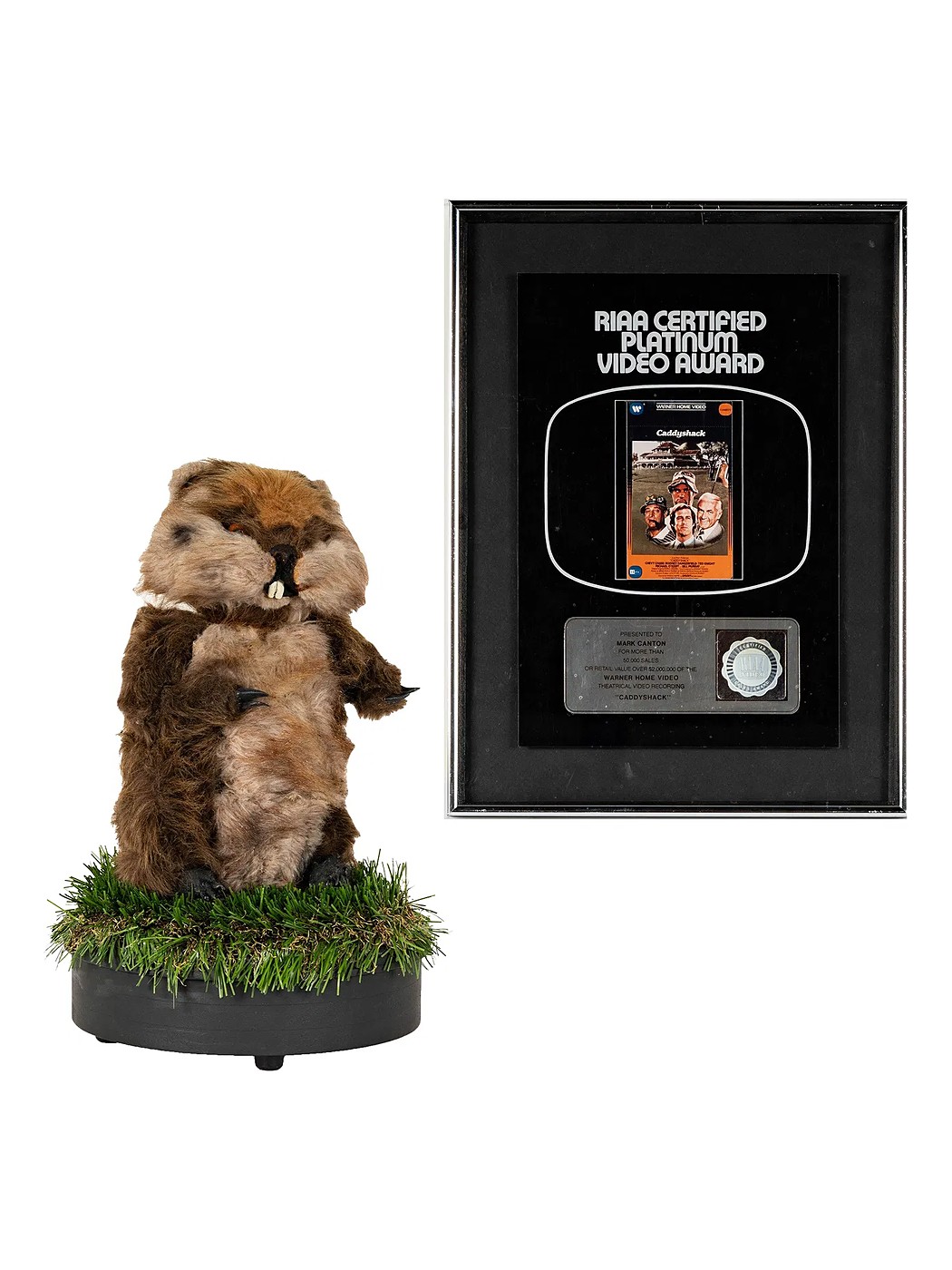
Caddyshack
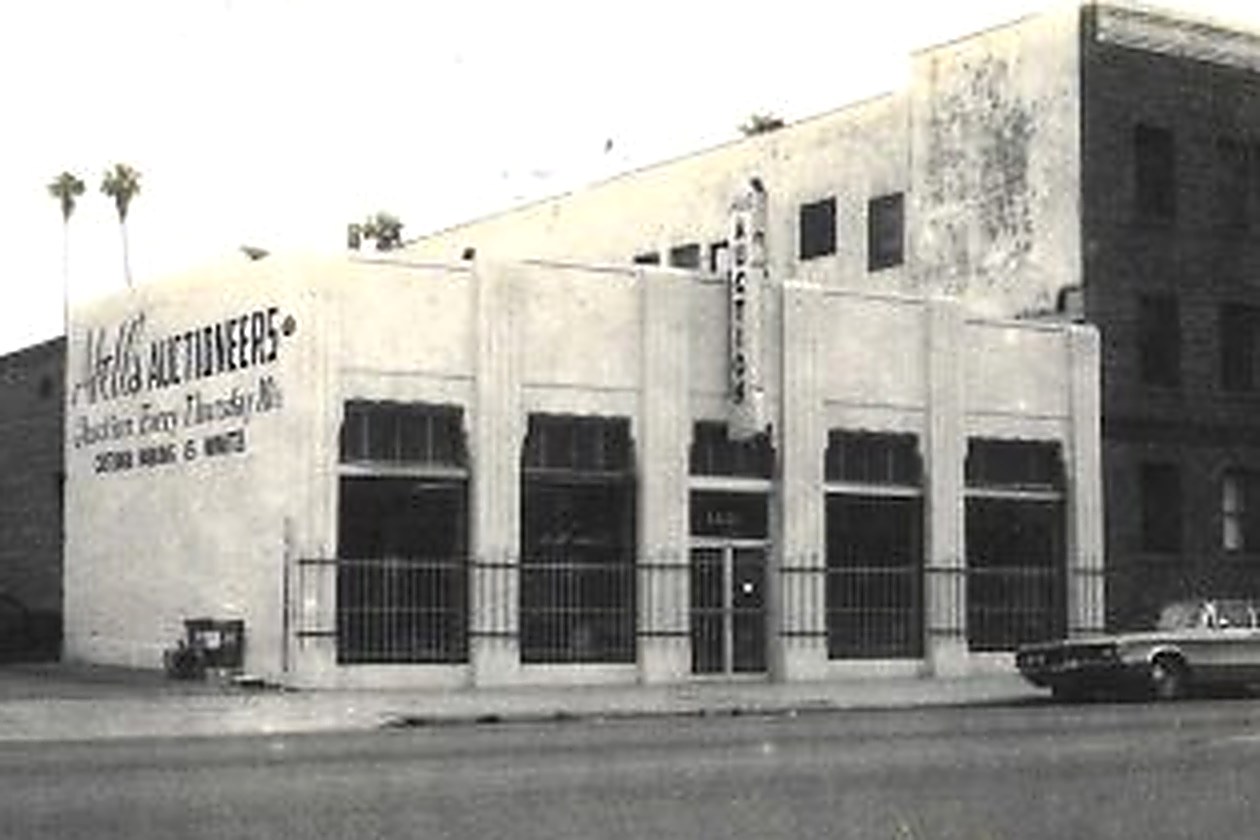
Four generations. One family. Since 1916.
There are companies that do business in Los Angeles.
And then there are companies
that grew up with Los Angeles.
Founded in 1916, Abell has witnessed Los Angeles transform from a young Western city into one of the cultural capitals of the world.
Abell watched Los Angeles
become Los Angeles.
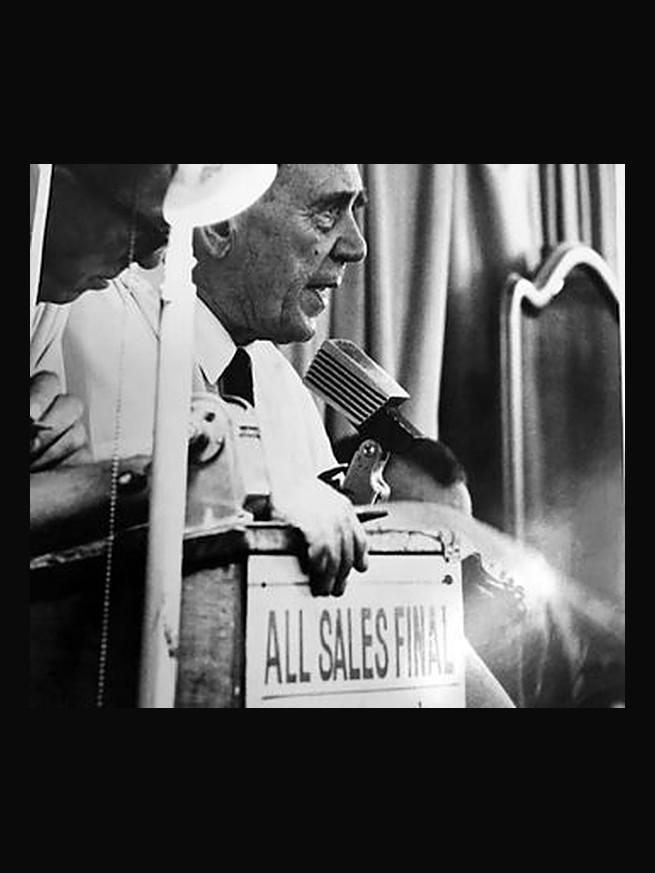
Founder
Abraham N. Abell was born in Kiev, then part of the Russian Empire. In 1907 he arrived in the United States and ultimately made his way to California.
Los Angeles was still a young city. Hollywood had not yet become the world's movie capital. Beverly Hills was only beginning to emerge. The vast estates that would later define Southern California were still largely in the future.
Abraham purchased a furniture business and eventually transformed it into Liberty Auctions.
Soon after arriving he purchased a furniture business from a relative. He understood the power of the auction: public competition allowed an object to find its value through the marketplace.
In 1908, Abraham transformed the business into Liberty Auctions. In 1916, after relocating to Los Angeles' West Adams district, it became A. N. Abell Auction Company.
The foundation had been laid.
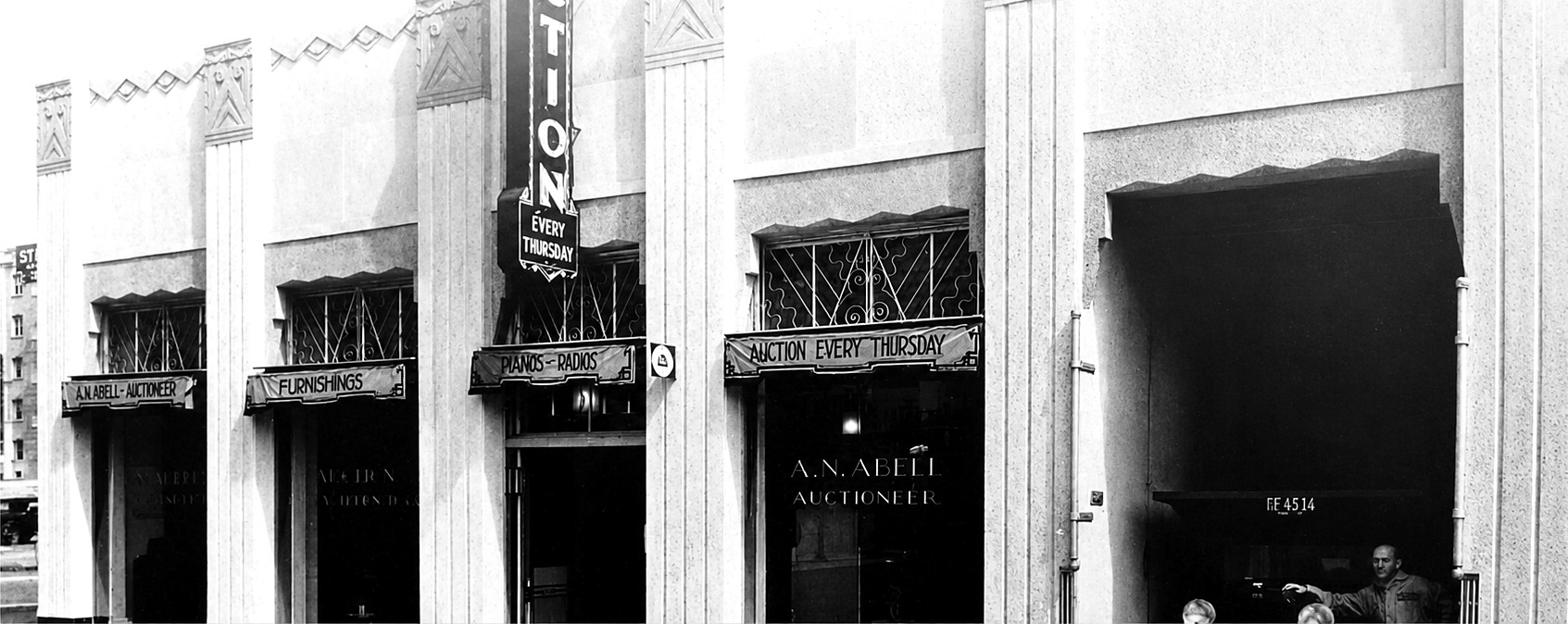
In 1916, after relocating to Los Angeles' West Adams district, Abraham established A. N. Abell Auction Company, creating a permanent Los Angeles marketplace devoted to estate property.
It catered to the trust and estate communities of Southern California — the first permanent auction house in Los Angeles showing fine estate property, which is still the work today.
A marketplace for Los Angeles history.
Abell: one year old when America entered the war.
Influenza pandemic.
The auction continued.
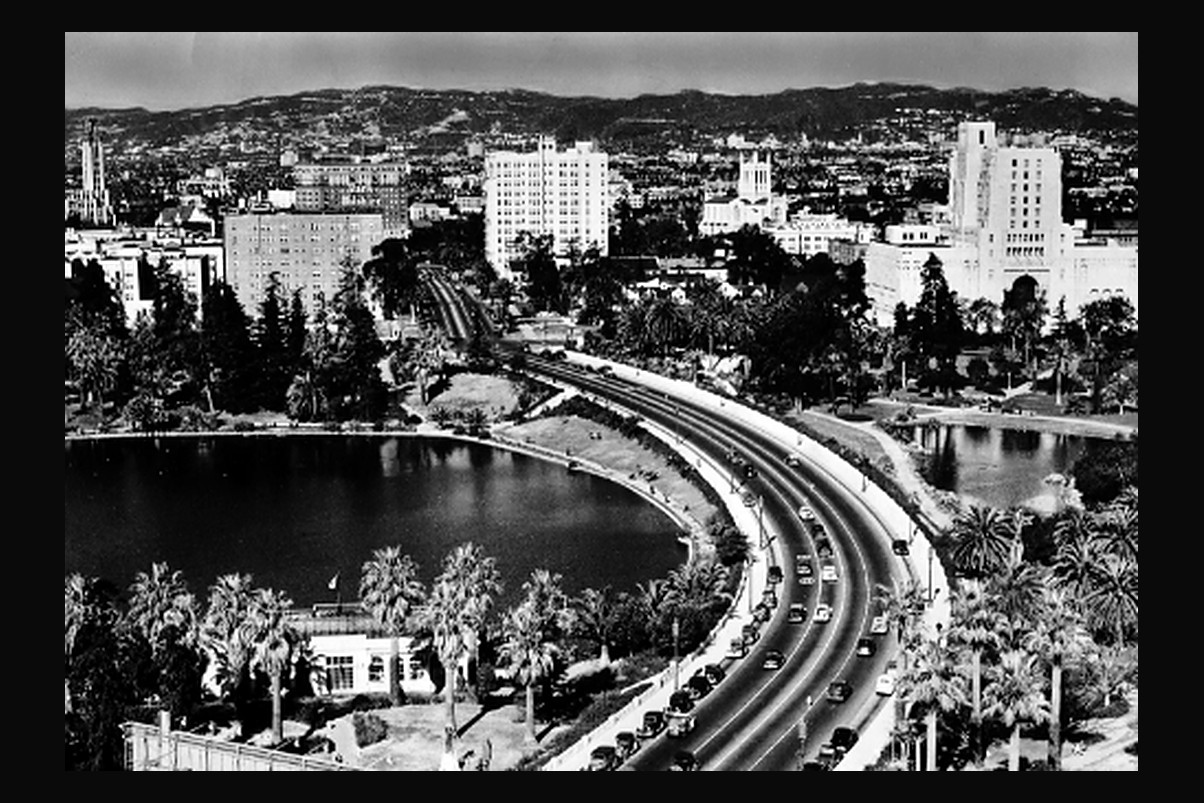
Peace brought extraordinary growth. Hollywood emerged. Grand residences rose across Southern California. Fine art, European furniture, silver, jewelry, rugs and decorative arts filled the homes of a rapidly expanding city.
Every estate held a story.
The prosperity stopped. Fortunes vanished. Businesses failed. Families needed liquidity. Abell survived because the auction remained one of the most direct and transparent ways to turn property into a marketplace.
During prosperous times, people collect.
During difficult times, people sell.
Abell remained.
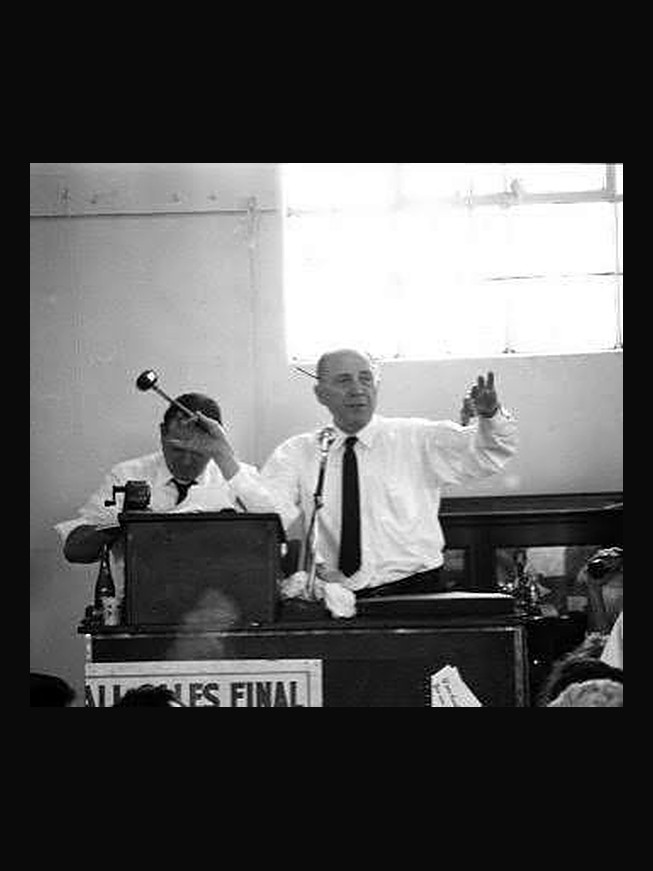
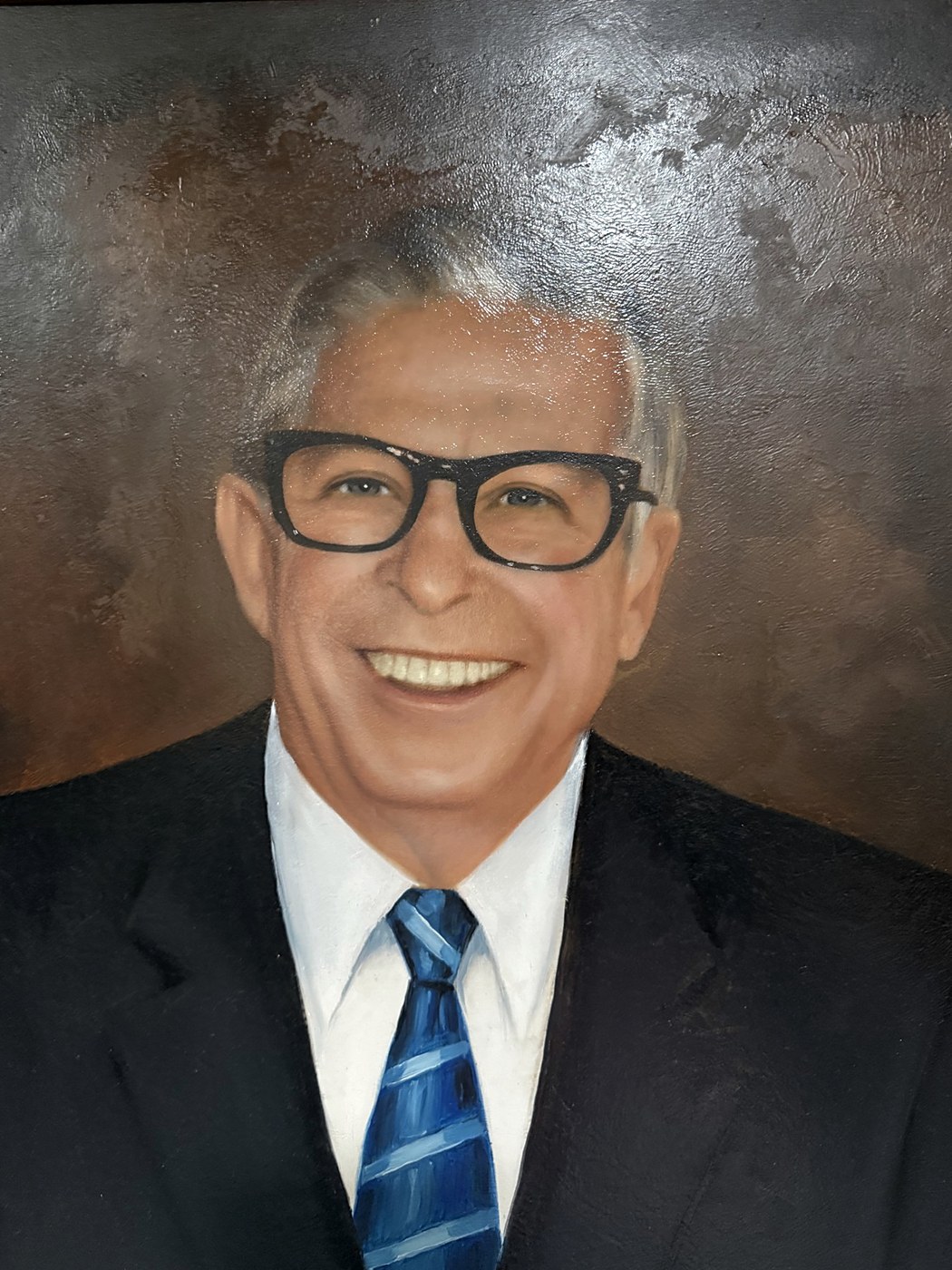
Abraham's son Robert became part of the second generation entrusted with carrying the family business forward. He did not carry it alone. Willard Schireson — Abraham's nephew, and Robert's first cousin — was an integral part of the company's history, and helped Abell blossom.
By their era, Los Angeles had become the center of a new cultural universe. Hollywood studios grew into empires. Pasadena, Hancock Park, Beverly Hills and Bel Air filled with remarkable collections — and the objects inside those homes increasingly found their way to Abell.
Twenty-five years after Abell's founding, America entered World War II. Southern California transformed into a center of wartime industry.
Another war.
Another generation.
The auction continued.
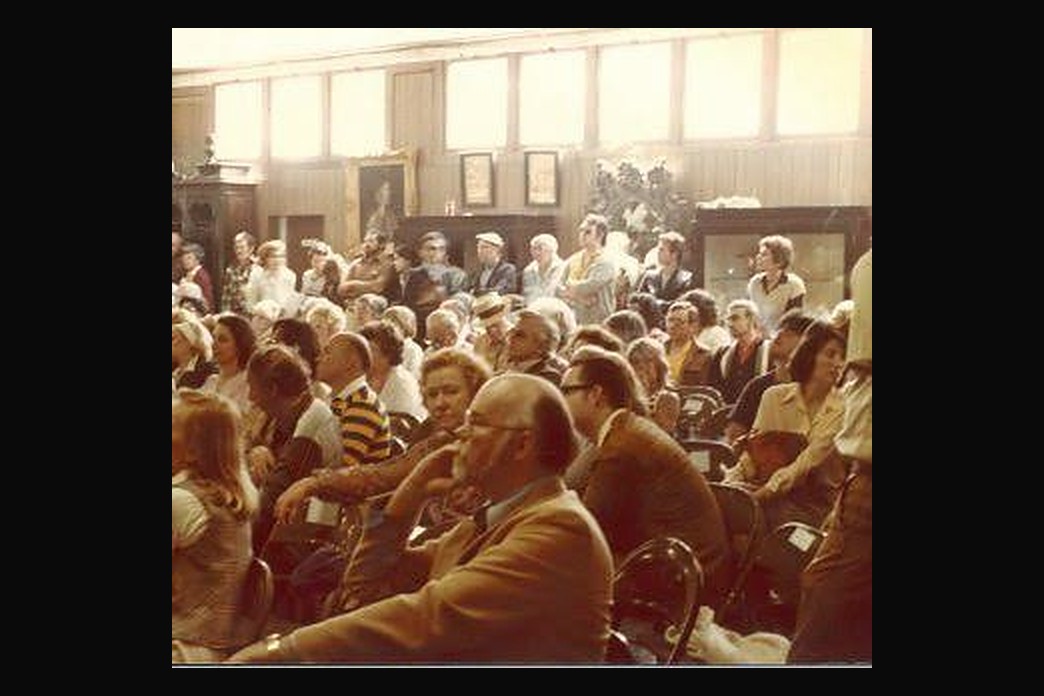
Everyone had a paddle.
And everyone had a chance.
Memory.
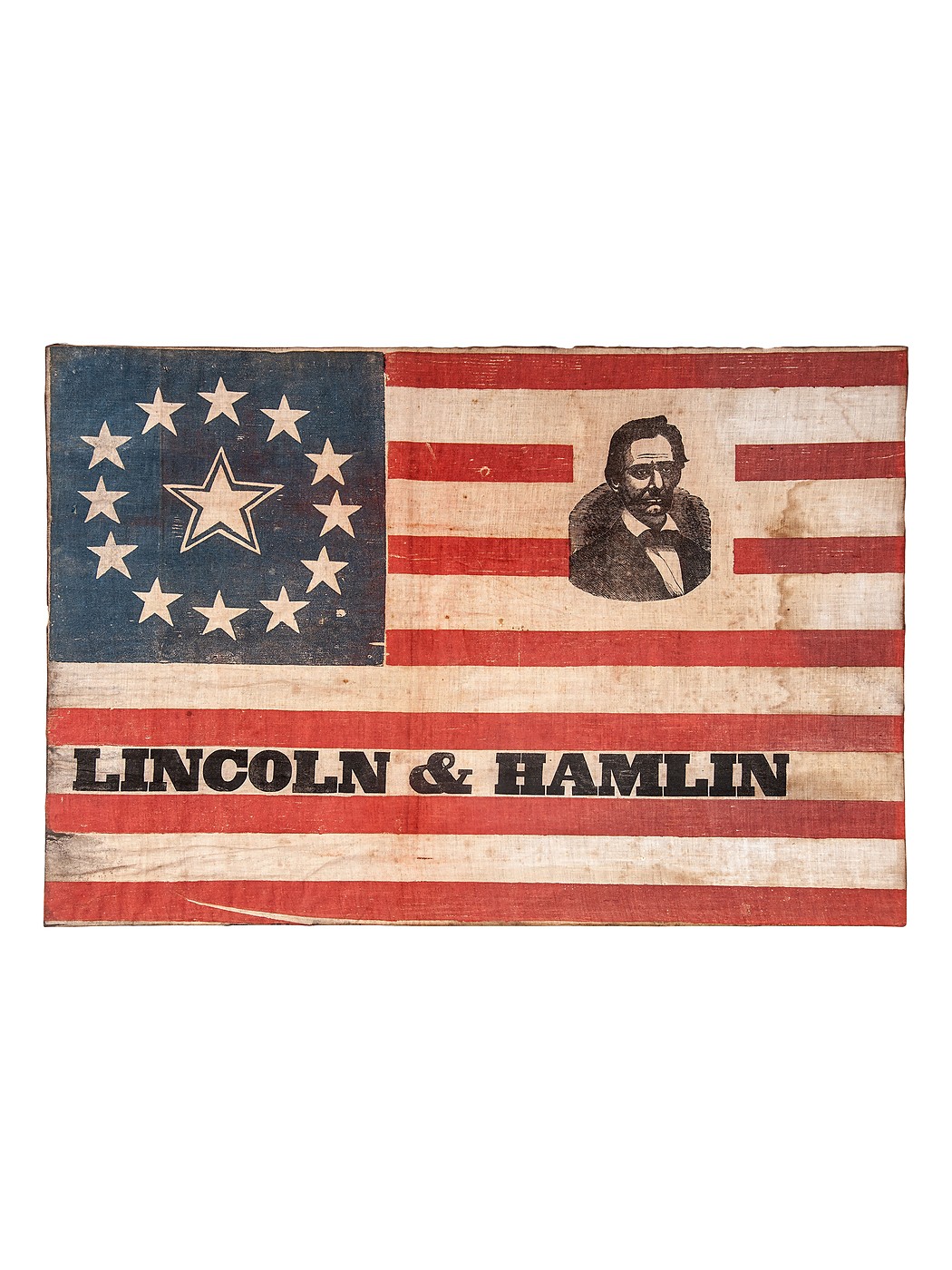

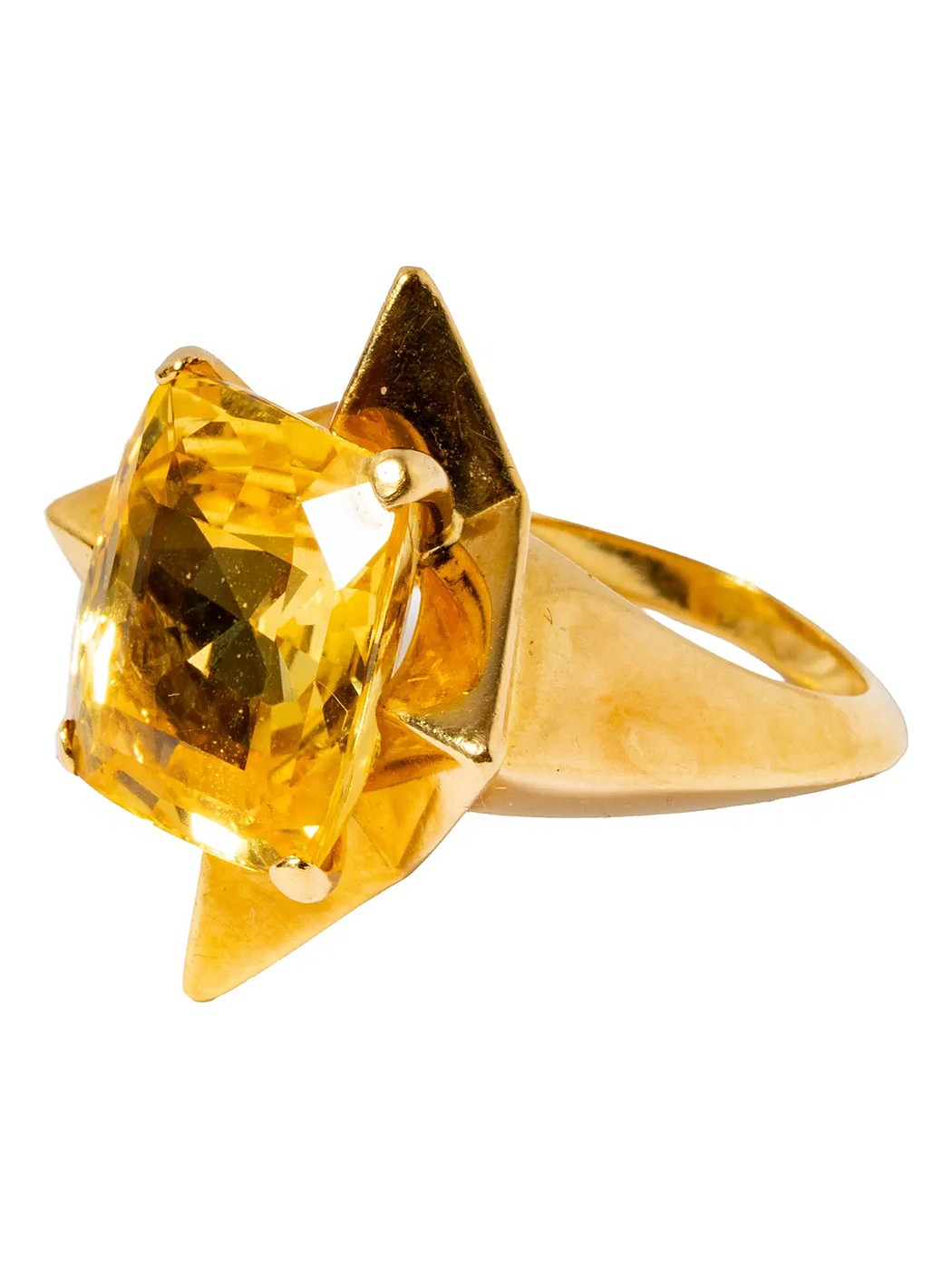
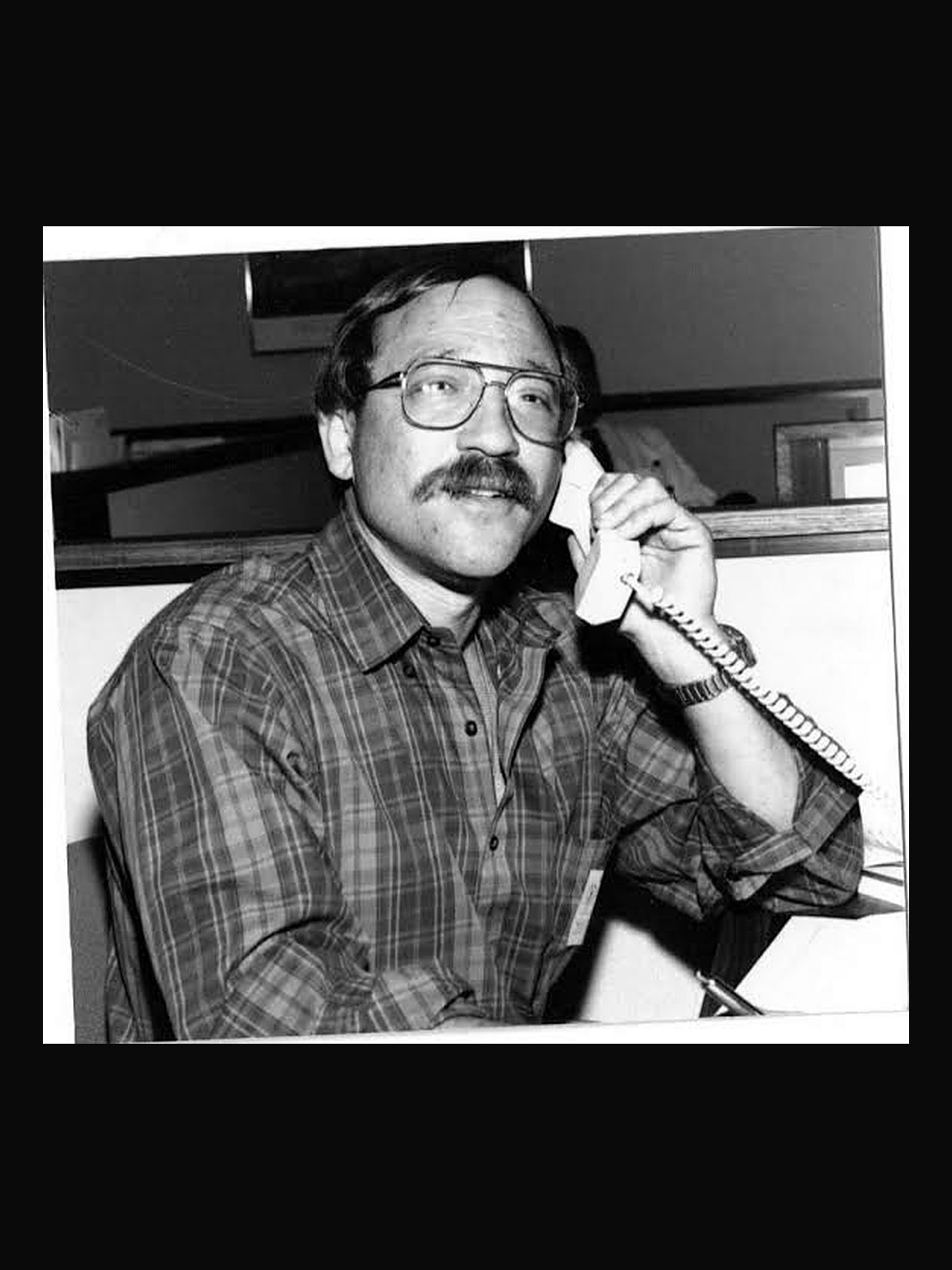
The company entered its third generation under Abraham's grandson Barry Abell.
The auction world had changed dramatically. Victorian collecting gave way to modern design. California painting grew in stature. Postwar and contemporary art became increasingly important. Jewelry became global. Technology began transforming the marketplace.
Abraham N. Abell lived long enough to see the business he founded as a young immigrant become a Los Angeles institution. Following his death in 1984, the family continued.
The name remained.
Los Angeles erupted.
During the civil unrest following the Rodney King verdict, Abell's historic West Adams building was destroyed by fire.
The building contained generations of company records and archives.
They burned with it.
Three weeks later.
The auction continued.
You can burn down
an auction house.
You cannot burn down
a tradition.
The company relocated to its Commerce property and resumed operations.
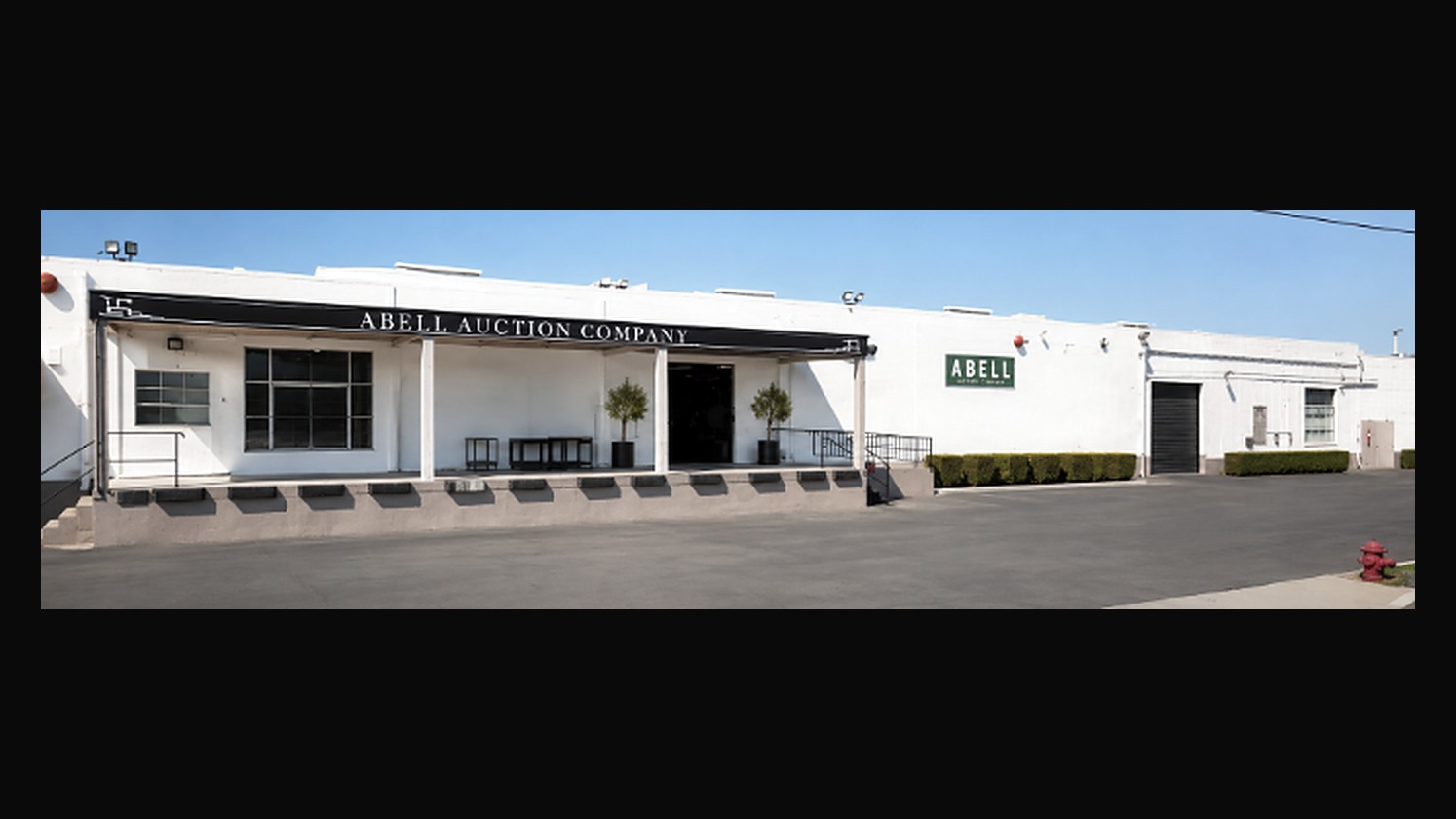
to collectors around the world.
Years
54 auctions.
Abell's centennial year
102 years apart.
Abell survived both.
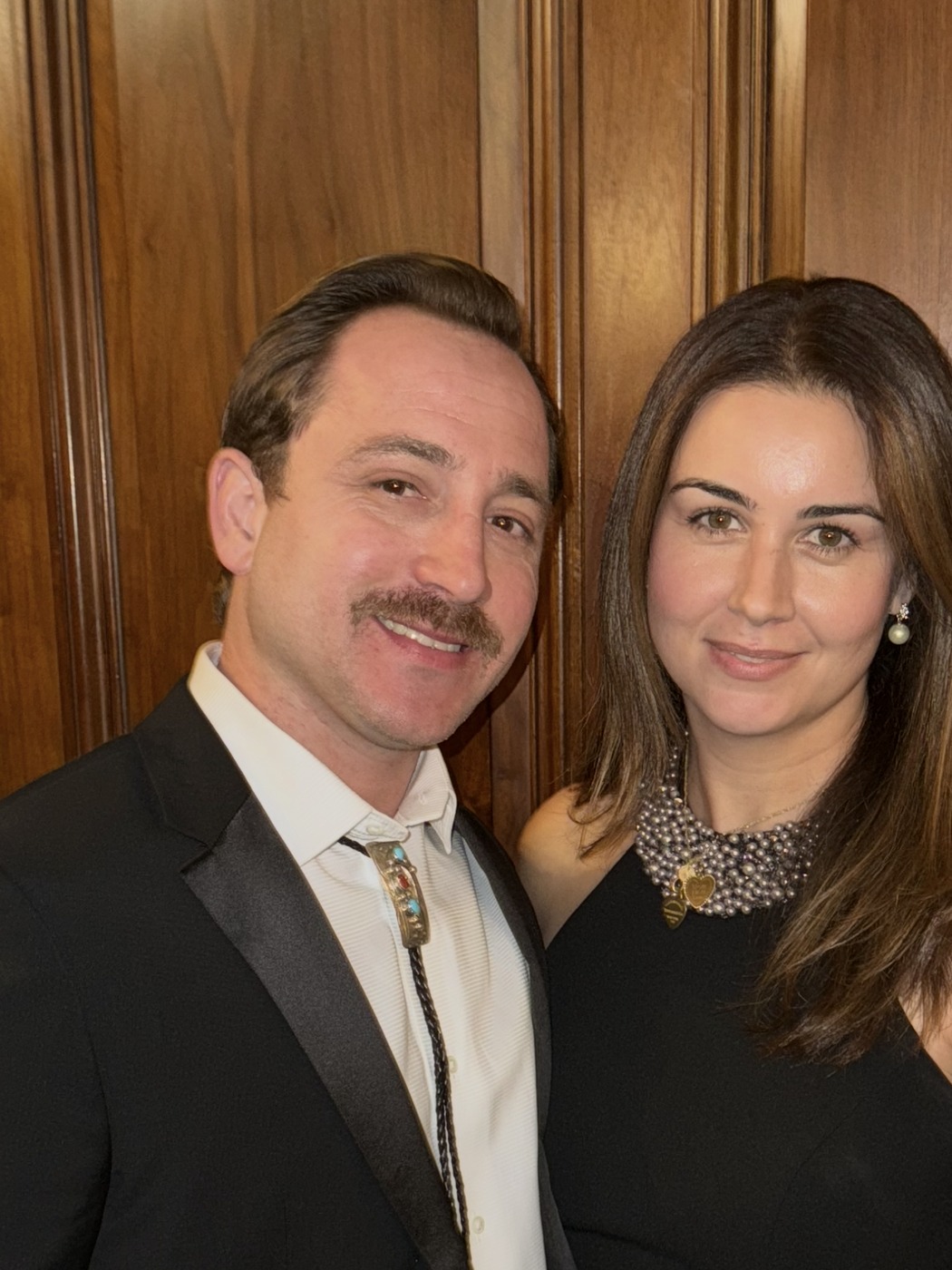
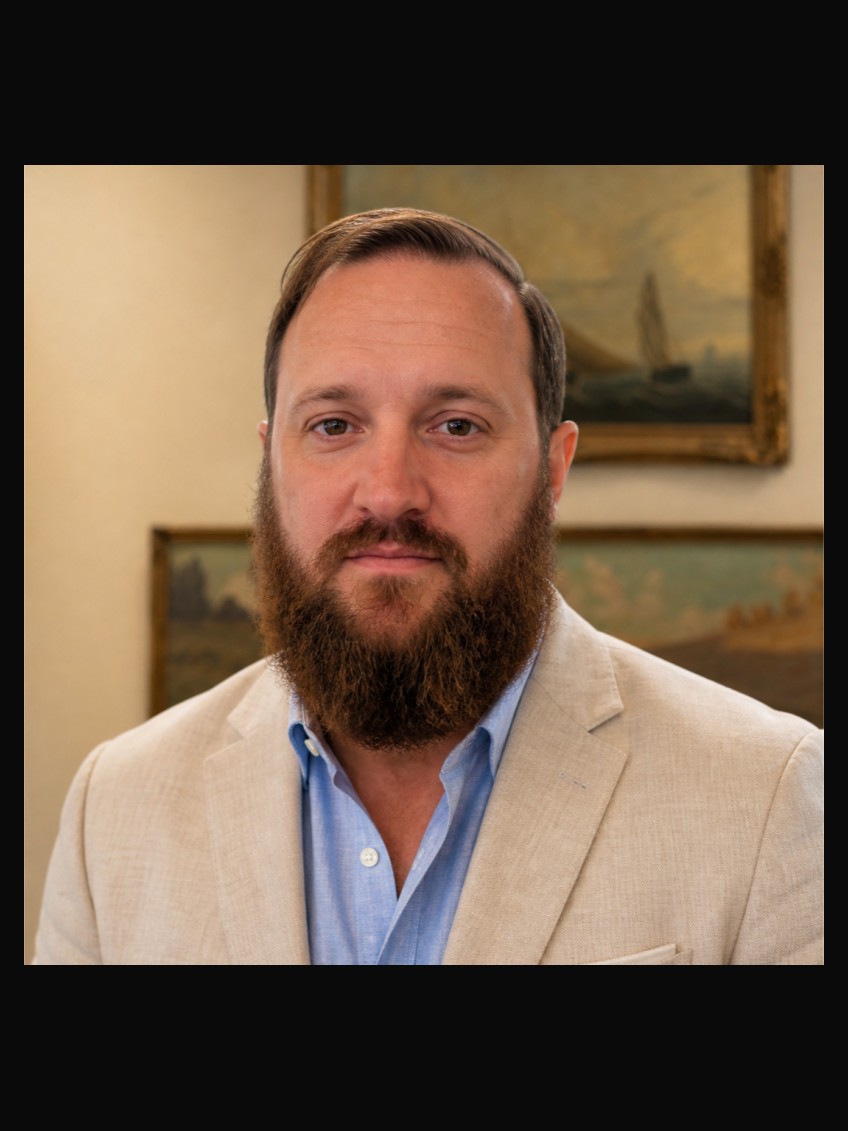
Sean and Patrick Abell, representing the fourth generation of the Abell family, have been unanimously elected by the Board of Directors to serve as Co-Presidents of Abell Auction Company.
Together, they will steward Abell into its next chapter, carrying forward a 110-year legacy built on honesty, integrity, exceptional service, outstanding results, and an unwavering commitment to the highest standards.
As the fourth generation assumes leadership, Sean and Patrick remain dedicated to honoring the principles and traditions that have defined Abell for more than a century, while continuing to evolve, strengthen, and grow the company for generations to come.
The next century has already begun.
110 years.
Still here.
An estate is rarely simply an inventory. A painting may have hung above someone's fireplace for fifty years. A ring may have been worn through an entire marriage. A chair may have belonged to someone's grandmother. A trustee may be responsible for an entire lifetime of property.
For generations, families and fiduciaries have asked Abell to identify, research, present and sell those objects responsibly.
Trust cannot be manufactured
by marketing.
It is accumulated.
For 110 years.
Trust and Estates →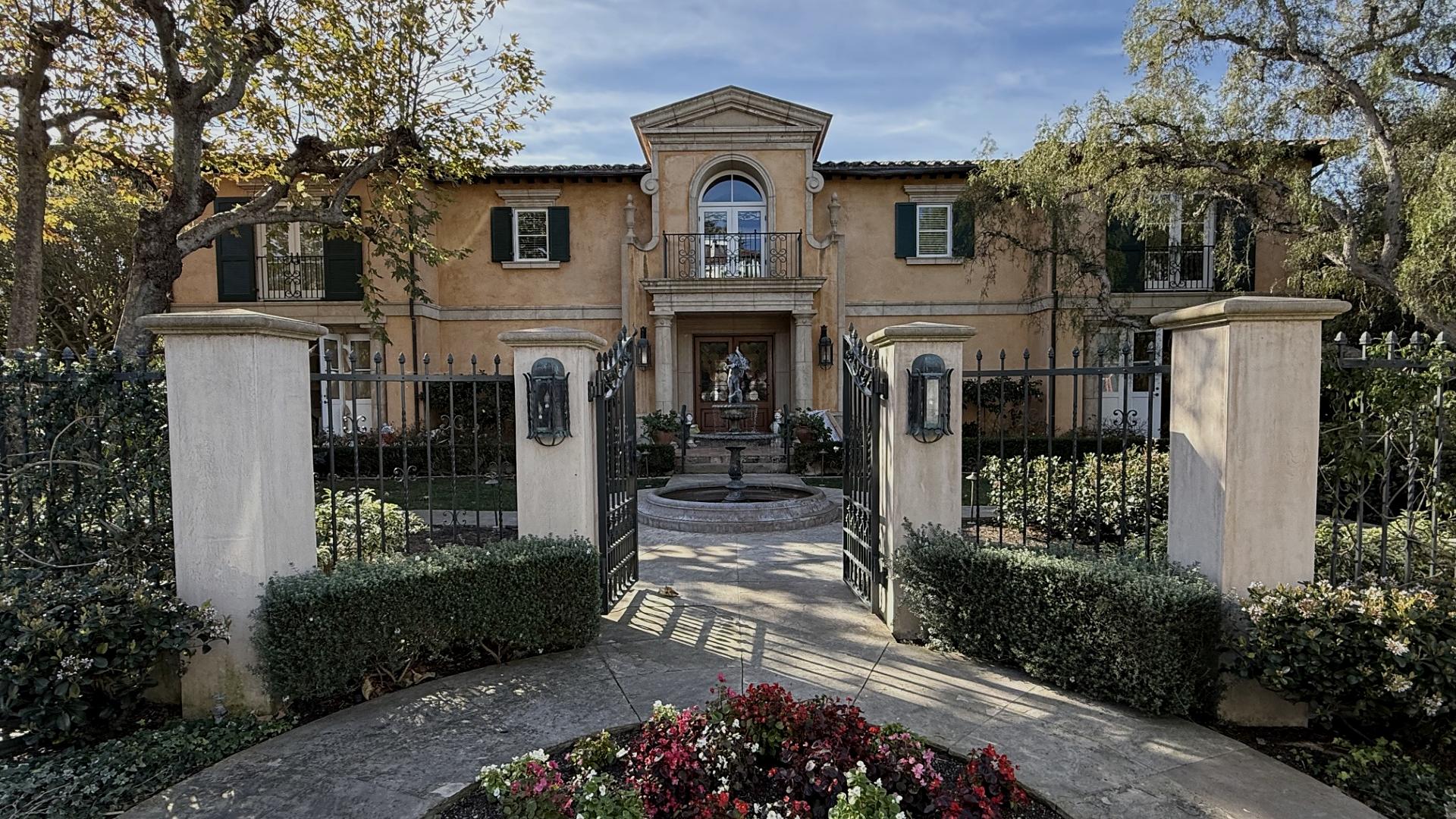
What is in the next lot?
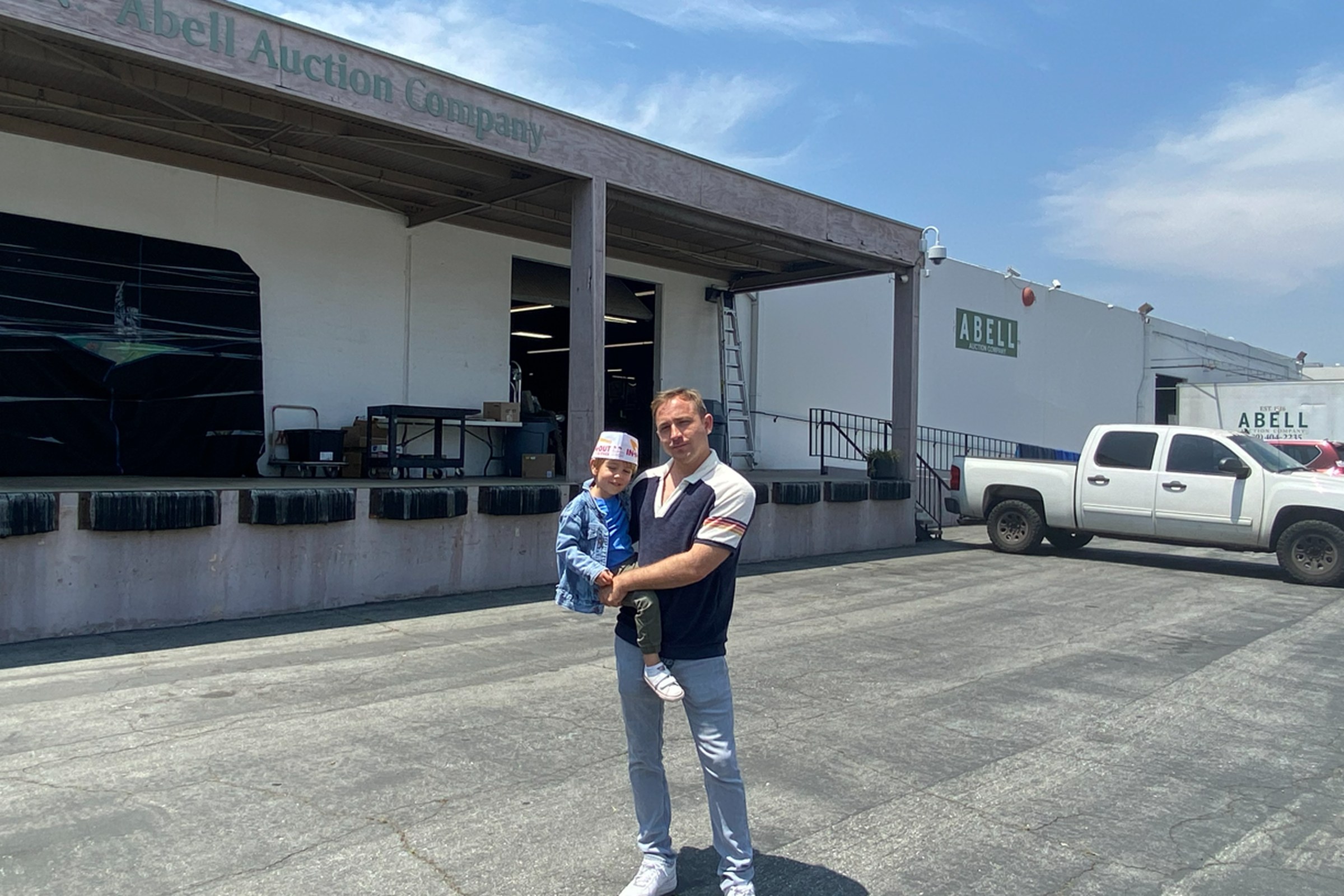
Abell's history belongs to the Abell family. After 110 years, part of it belongs to Los Angeles. It belongs to generations of collectors, decorators, dealers, families, trustees, auctioneers, employees and bidders who have passed through its doors.
Abell has never simply observed Los Angeles history.
Abell has participated in it.
110 years.
The first 110 years
were only the beginning.
Receive early access to upcoming auctions, private previews, estate stories and exceptional property.