Edward Weston, Ed Martin and the Photographs Behind The Naked Eye
Seventeen original Edward Weston photographs, preserved together for more than seventy years, come to Abell from the Estate of Ed and Sandy Martin, Los Angeles.
Los Angeles · 3 December 2026
One of the most revealing details in Ed and Sandy Martin’s collection is on the back of a photograph. Turn over Edward Weston’s Nude of 1925 and you’ll find editing notations. Ed Martin, a photographer, sculptor and friend of Weston’s, knew the work those marks bring to mind. In the 1950s, he was one of the camera operators on Louis Clyde Stoumen’s documentary The Naked Eye. Weston supplied seventeen gelatin silver prints for the production. Ed and Sandy kept them together for more than seventy years.
Ed left his own account of how the crew brought photographs like these to the screen. A print went onto an easel, and four people worked together to film it. One cranked the camera along a set of rails. Another kept the image in focus. A third moved the easel, while a fourth counted the seconds and timed the dissolve. A viewer might first see the full photograph, then find their eye drawn slowly toward a detail. “It was a kind of camera ballet!” Ed recalled. The work also took him across the country with Stoumen, including a visit to Weston’s home at Wild Cat Creek near Point Lobos, where the crew filmed the photographer himself.
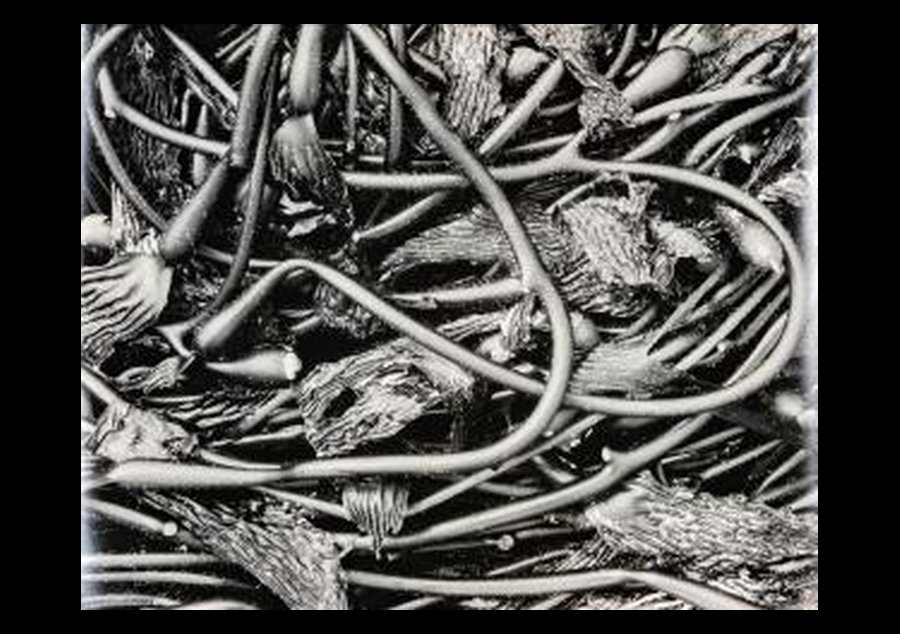
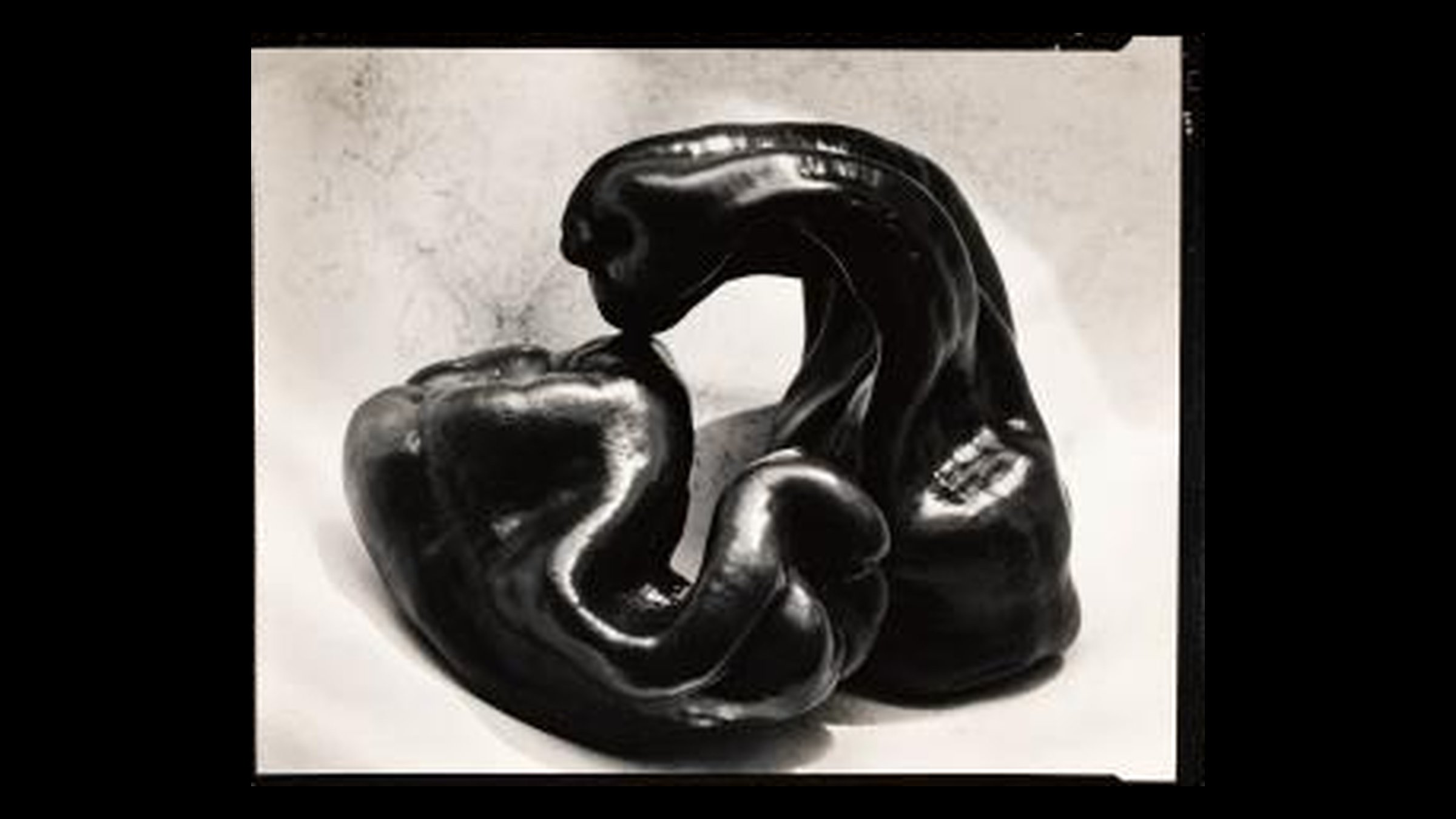
It’s easy to see why a sculptor would have been drawn to Weston. Look at Peppers, made in 1929, alongside Zabriskie Point, made in 1938. In the first, light follows the folds of a pepper until something you could hold in your palm takes on the presence of a sculpture. In the second, the ridges of Death Valley fold into one another in much the same way. That ability to change our sense of scale, using subjects as familiar as a vegetable or as vast as the American West, helped make Weston one of the most influential photographers of the twentieth century. In 1937, he became the first photographer awarded a Guggenheim Fellowship.
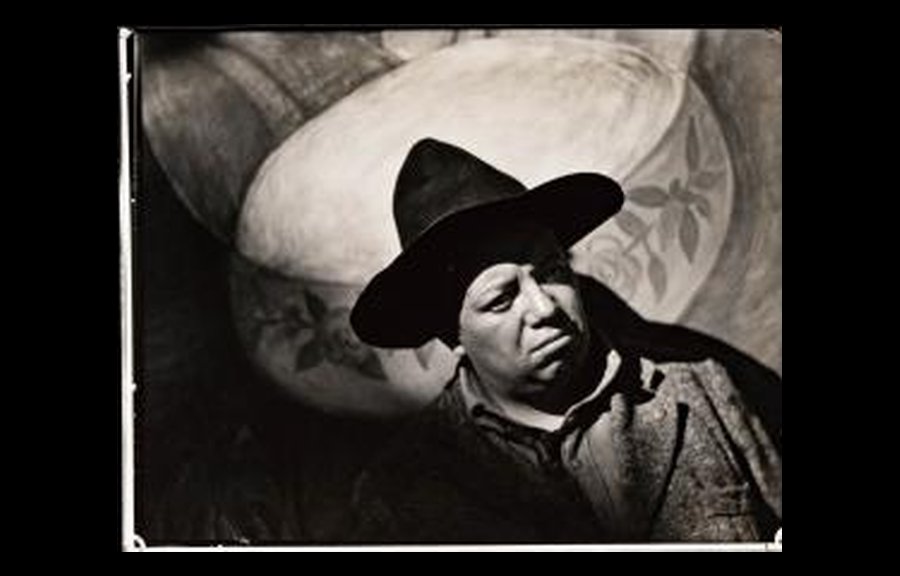
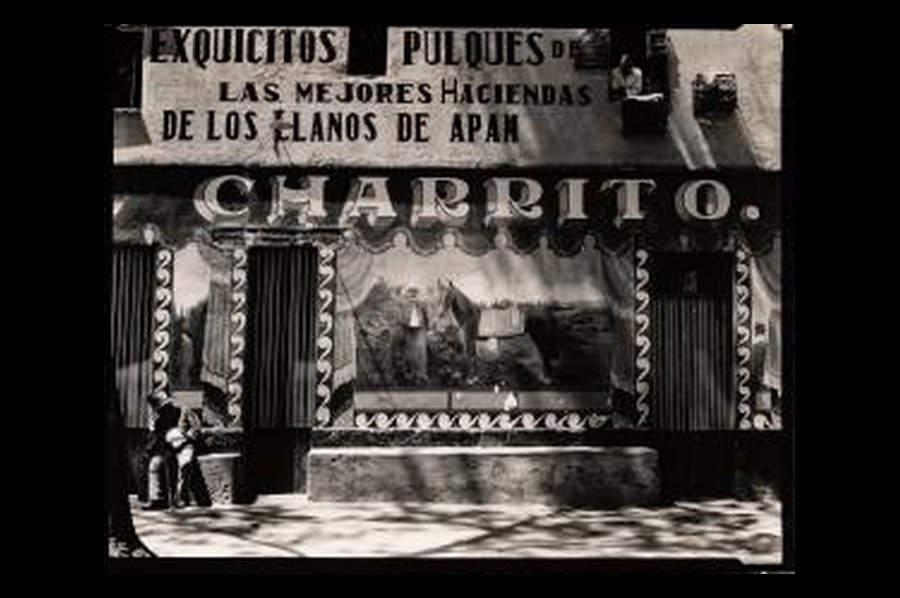
Two photographs from Mexico tell a different story when seen together. One is Weston’s portrait of the muralist Diego Rivera. The other, Charrito, shows a neighborhood drinking establishment in Mexico City. A figure rests in the shadow of the doorway. Just a few feet away, other figures appear in an open landscape painted across the wall. Look twice and the picture changes as your eye sorts the people on the street from the people in the mural. Rivera wrote about these painted establishments, and Weston’s photographs illustrated his writing. The Martins preserved both the artist’s portrait and an example of the work that connected them. Prints of Charrito are held by the Los Angeles County Museum of Art and the Smithsonian.
Perhaps the most personal photograph in the group is Rock Erosion, Point Lobos. Here is the coast near the home where Ed remembered visiting and filming Weston, the place where, in Ed’s words, Weston “did so much of his wonderful work.” Across these seventeen prints, we see Weston through the eyes of a fellow artist who knew him, helped bring his photographs to the screen and preserved them for the rest of his life. It is a collection worthy of a museum. Abell is proud to present it in lots 201–217 of the Estate of Ed and Sandy Martin.
In the sale
- Lot 215 · The Estate of Ed and Sandy Martin, Day One Edward Weston, 1886–1958, Peppers (5P)
- Lot 201 · The Estate of Ed and Sandy Martin, Day One Edward Weston, 1886–1958, Exposition of Dynamic Symmetry
- Lot 202 · The Estate of Ed and Sandy Martin, Day One Edward Weston, 1886–1958, New York
- Lot 203 · The Estate of Ed and Sandy Martin, Day One Edward Weston, 1886–1958, Union Station, Nashville, Tennessee
- Lot 204 · The Estate of Ed and Sandy Martin, Day One Edward Weston, 1886–1958, Springtime
- Lot 205 · The Estate of Ed and Sandy Martin, Day One Edward Weston, 1886–1958, Rock Erosion, Point Lobos
- Lot 206 · The Estate of Ed and Sandy Martin, Day One Edward Weston, 1886–1958, Sunset, Point Lobos
- Lot 207 · The Estate of Ed and Sandy Martin, Day One Edward Weston, 1886–1958, Kelp
- Lot 208 · The Estate of Ed and Sandy Martin, Day One Edward Weston, 1886–1958, Zabriskie Point, 1938
- Lot 209 · The Estate of Ed and Sandy Martin, Day One Edward Weston, 1886–1958, Badlands, Borrego Desert
- Lot 210 · The Estate of Ed and Sandy Martin, Day One Edward Weston, 1886–1958, Aguereberry Point, Death Valley
- Lot 211 · The Estate of Ed and Sandy Martin, Day One Edward Weston, 1886–1958, Twenty Mule Team Canyon, Death Valley
- Lot 212 · The Estate of Ed and Sandy Martin, Day One Edward Weston, 1886–1958, Nude, 1925
- Lot 213 · The Estate of Ed and Sandy Martin, Day One Edward Weston, 1886–1958, Nude - Bertha Wardell (62N)
- Lot 214 · The Estate of Ed and Sandy Martin, Day One Edward Weston, 1886–1958, Diego Rivera
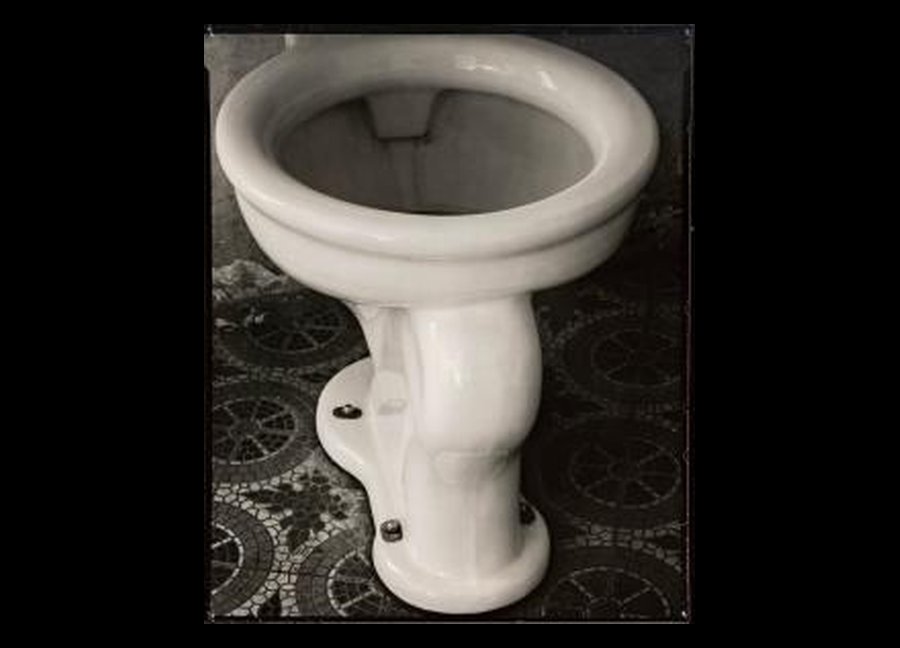
- Lot 216 · The Estate of Ed and Sandy Martin, Day One Edward Weston, 1886–1958, Excusado (4M)
- Lot 217 · The Estate of Ed and Sandy Martin, Day One Edward Weston, 1886–1958, Charrito (Pulquería Mural, Mexico)
Sources
- Lot titles and numbers: Abell catalogue, The Estate of Ed and Sandy Martin, Day One, lots 201–217 (bid.abell.com), checked 22 Nov 2026
- Art Institute of Chicago, Edward Weston — archive.artic.edu/edwards/edward-weston/
- Los Angeles County Museum of Art, Collections, object 94063 — collections.lacma.org/object/94063
- Ed Martin’s account of filming The Naked Eye, as supplied to Abell for this story
Related stories
Every collection has a story.
Have a collection or estate you would like to discuss with Abell?